How to Create an Immersive Show That Audiences Actually Remember
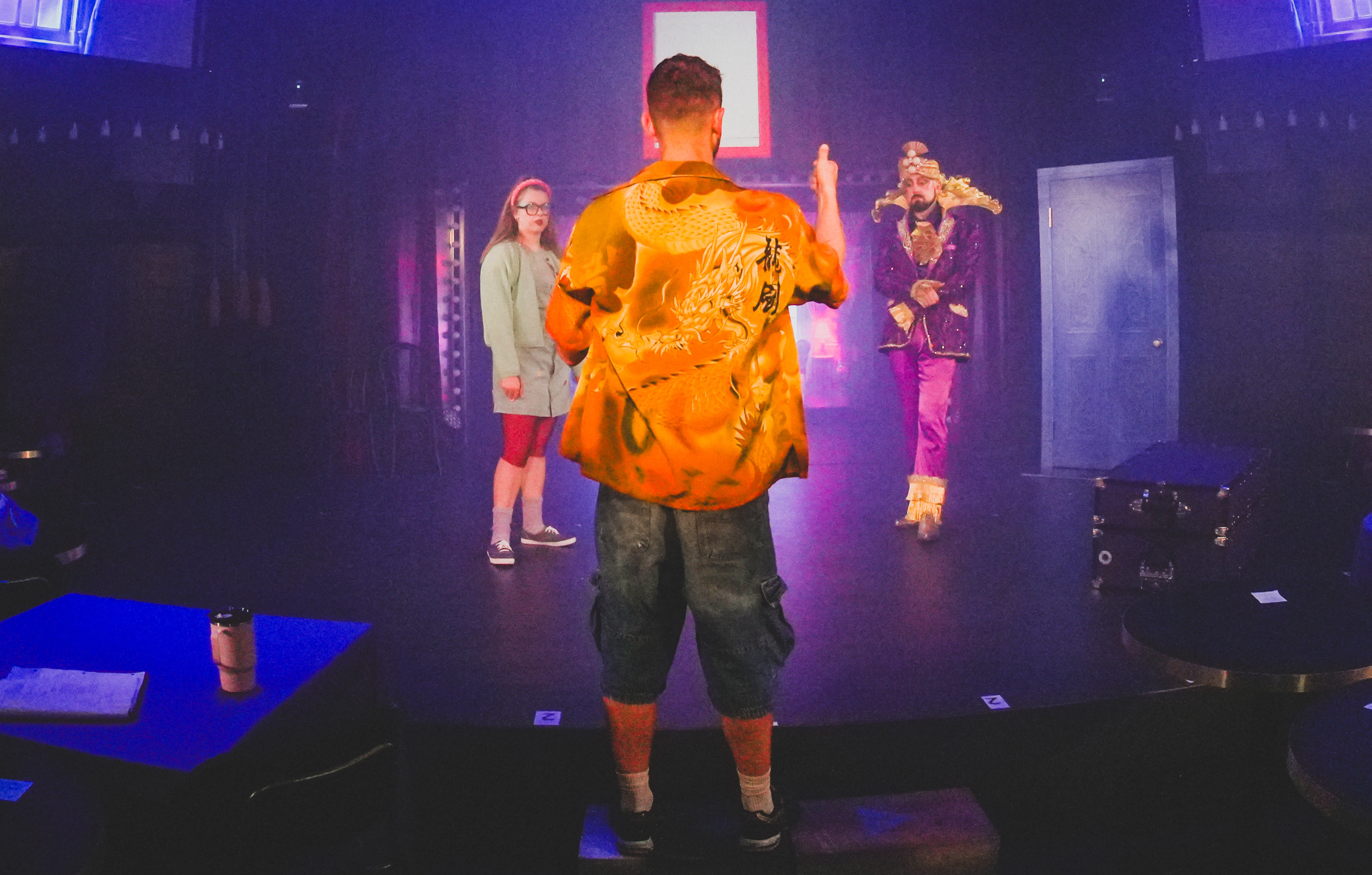
The word immersive has become somewhat overused in terms of live entertainment.
A few projections on the wall. A 360-degree room. Performers moving through the audience. Suddenly, it's called an immersive experience.
But creating an immersive show is about far more than placing guests in the middle of the action.
At No Ceilings, we approach immersive entertainment from a different perspective. Before we think about technology, staging, or spectacle, we ask a simple question: “How do we want people to feel?”
The answer shapes every creative decision that follows.
Whether you're creating an immersive experience for a cruise ship, dinner show, festival, attraction, or branded event, success comes from understanding the audience journey and designing every moment around it.
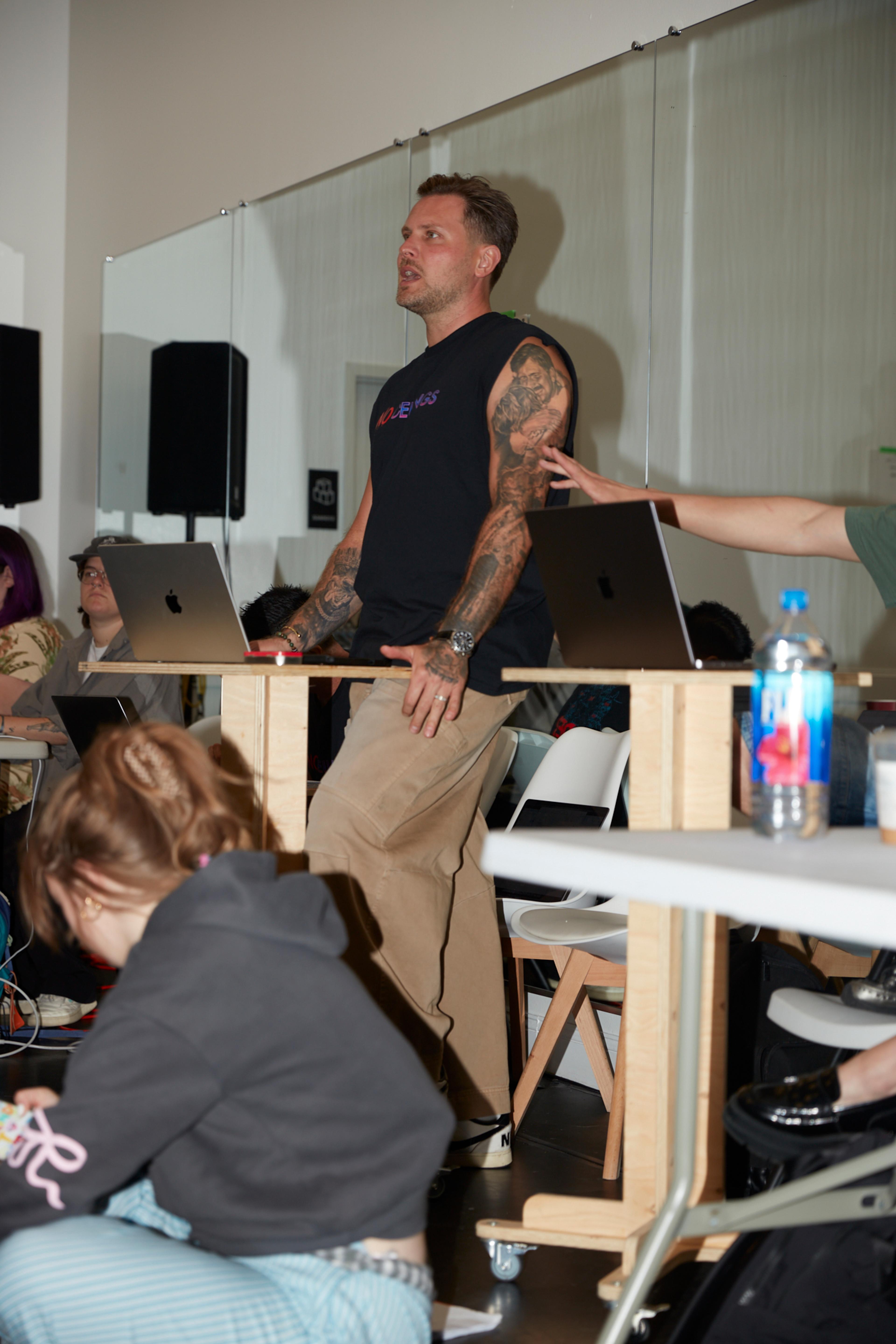

Start With Emotion, Not Effects
One of the biggest mistakes creators make when trying to create an immersive experience is focusing on what audiences will see rather than what they'll feel.
The most memorable experiences aren't just based on being visually impressive. They're the ones that create an emotional connection as well. What should guests feel when they arrive? What should they experience while they're there? What should they take away when they leave?
Answering those questions creates a foundation that is much stronger than any special effect or piece of technology.
When audiences remember how an experience made them feel, you've created something that lasts.
Thinking about creating an immersive experience? Let's talk about what you want your audience to feel — get in touch below.
Design the Entire Guest Journey
An immersive experience doesn't begin when the show starts. It begins the moment a guest arrives.
The ticketing process, the entrance sequence, the first interaction with staff, the way guests are welcomed into the space. These moments establish expectations and set the tone for everything that follows.
Similarly, the experience shouldn't simply end when the final scene concludes. How guests leave matters just as much as how they enter. Creating an immersive show means designing a complete journey with a clear beginning, middle, and end.
Every touchpoint should feel intentional.



Understand the Space You're Working With
Every venue has limitations, but it also has opportunities. Before developing a concept, it's important to understand the environment itself. What are guests expecting when they walk through the door? What is the normal experience in that space? How can you build upon those expectations or challenge them? By understanding the space, creators can identify opportunities to surprise audiences while still making the experience feel natural and believable.
Give Audiences the Opportunity to Participate
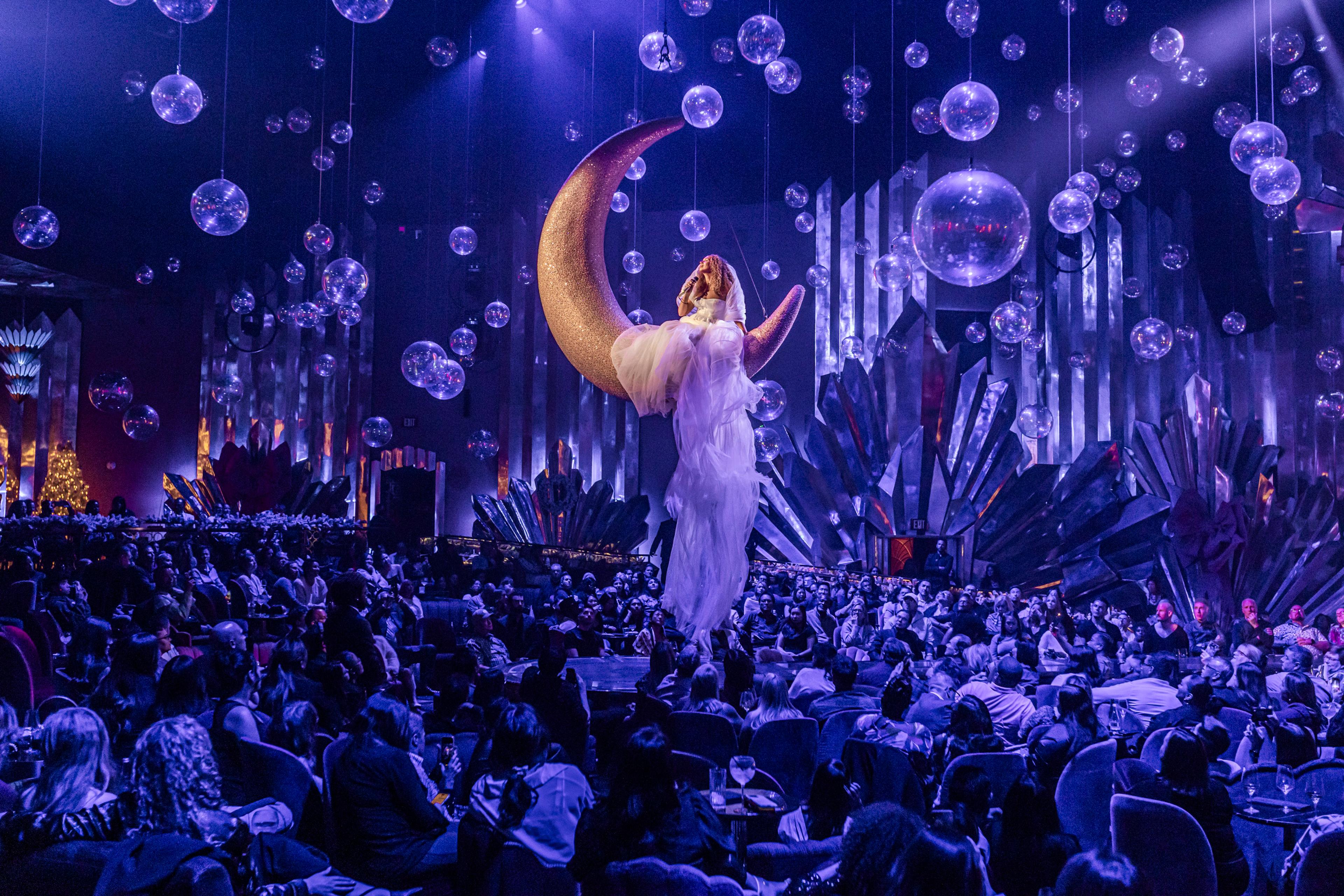
What separates an immersive experience from a traditional show? Participation. Immersion isn't about surrounding people with activity. It's about giving them the opportunity to become part of the experience. But, that doesn't mean every guest needs to be pulled on stage.
Every audience contains different personalities. Some guests are eager to engage. Others prefer to sit back and observe. Some arrive knowing exactly what they're about to experience. Others are tagging along with friends or family and have no idea what to expect.
The goal isn't to force participation. The goal is to create an environment where participation feels safe, natural, and optional. The best immersive shows allow audiences to choose how deeply they want to engage.

Build Around Story
Every immersive experience starts with a story. That story may come from a client's vision, a cultural trend, a historical event, or a completely original concept. Regardless of the source, the narrative becomes the framework that guides every creative decision.
At No Ceilings, we ask:
- What story are we passionate about telling?
- What is culturally relevant today without feeling dated tomorrow?
- What resonates with the audience we're creating for?
Strong storytelling creates meaning. It gives audiences something to connect with beyond the visual spectacle. Without a story, even the most impressive production elements can feel hollow.
Have a story worth telling? We'd love to help you bring it to life — reach out below.
Balance Familiarity With Surprise
Audiences enjoy discovering something new, but they also appreciate familiarity. Great immersive entertainment finds a balance between the two. There are elements that instantly create comfort and connection. A recognizable song. A familiar theme. A shared cultural reference.
Then there are the unexpected moments. The reveal nobody saw coming. The interaction that feels personal. The scene that creates goosebumps. Those moments of surprise are often what guests remember most. Combined with familiar touchpoints, they create an experience that feels both exciting and accessible.

The Smallest Details Often Matter Most
Immersion is built through details. Sometimes it's a costume pattern that mirrors the design of the room. Sometimes it's a cocktail featured in the show that's also available at the bar. A personalized interaction that acknowledges a guest's anniversary or special occasion.
Individually, these details may seem insignificant. Collectively, they create a world that feels cohesive and believable. The audience may never consciously notice every detail, but they feel the difference. That's where true immersion lives.

Train Performers to Read the Room
Immersive performers need a unique skill set. They aren't simply delivering lines or choreography. They're responding to real people in real time. That requires awareness, adaptability, and confidence.
The strongest immersive performers identify guests who want to participate while respecting those who don't. They understand social cues and can adjust interactions accordingly. When audiences feel comfortable, engagement happens naturally.

Technology Should Enhance, Not Define, the Experience
Technology has transformed entertainment, but it shouldn't be the reason an experience exists.
Today's audiences interact with technology constantly. Adding technology for the sake of being innovative rarely creates stronger engagement. Instead, technology should support the story.
If it helps deepen the experience, create a new possibility, or strengthen audience connection, it has value. If it doesn't, it risks becoming a gimmick. The most effective immersive experiences use technology intentionally rather than excessively.
Create Memories, Not Just Moments
At its core, creating an immersive experience is about creating lasting memories. People remember the emotional moments. They remember laughing with strangers, being surprised, feeling connected to a story, a performer, or a space.
As audiences spend more of their lives in digital environments, the demand for meaningful in-person experiences continues to grow. That's why the future of immersive entertainment isn't about bigger screens or more technology. It's about creating genuine human connection. Because when guests leave talking about how they felt instead of what they saw, you've created something truly immersive.

Want to work with us? Let’s create something extraordinary together.
!