How We Design a Set From Story to Stage
A great set doesn't start with a sketch. It starts with a question: what is this story actually about? Everything else, from mood boards to material choices, follows from the answer. Here's how the process actually works, according to our Art Director, Phil Shaw, co-founder and creative director at No Ceilings.
Start with the story, not the visuals
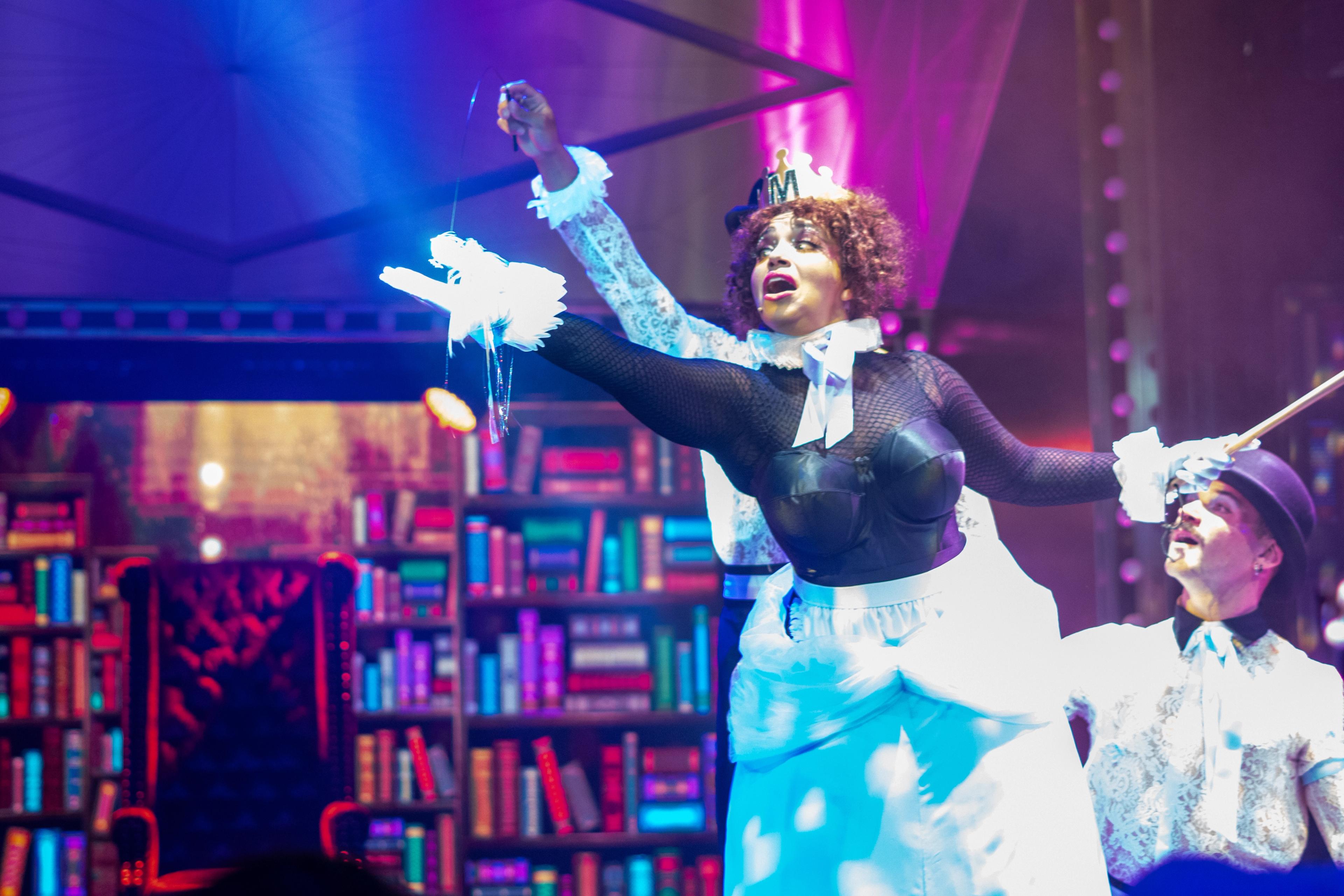
Before anything gets designed, our team locks in what the show is about. For Booked, our latest show aboard Virgin Voyages, that meant knowing early on we wanted a big, surreal, slightly magical book on stage. That detail wasn't just a cool image. It tied directly back into the story of a cursed book, and it gave the whole design a starting point to build from.
"It always stems from the story," Phil says. Skip this step, or rush it, and you end up designing a pretty room that has nothing to do with what's actually happening in it.
Find the one idea that defines the show
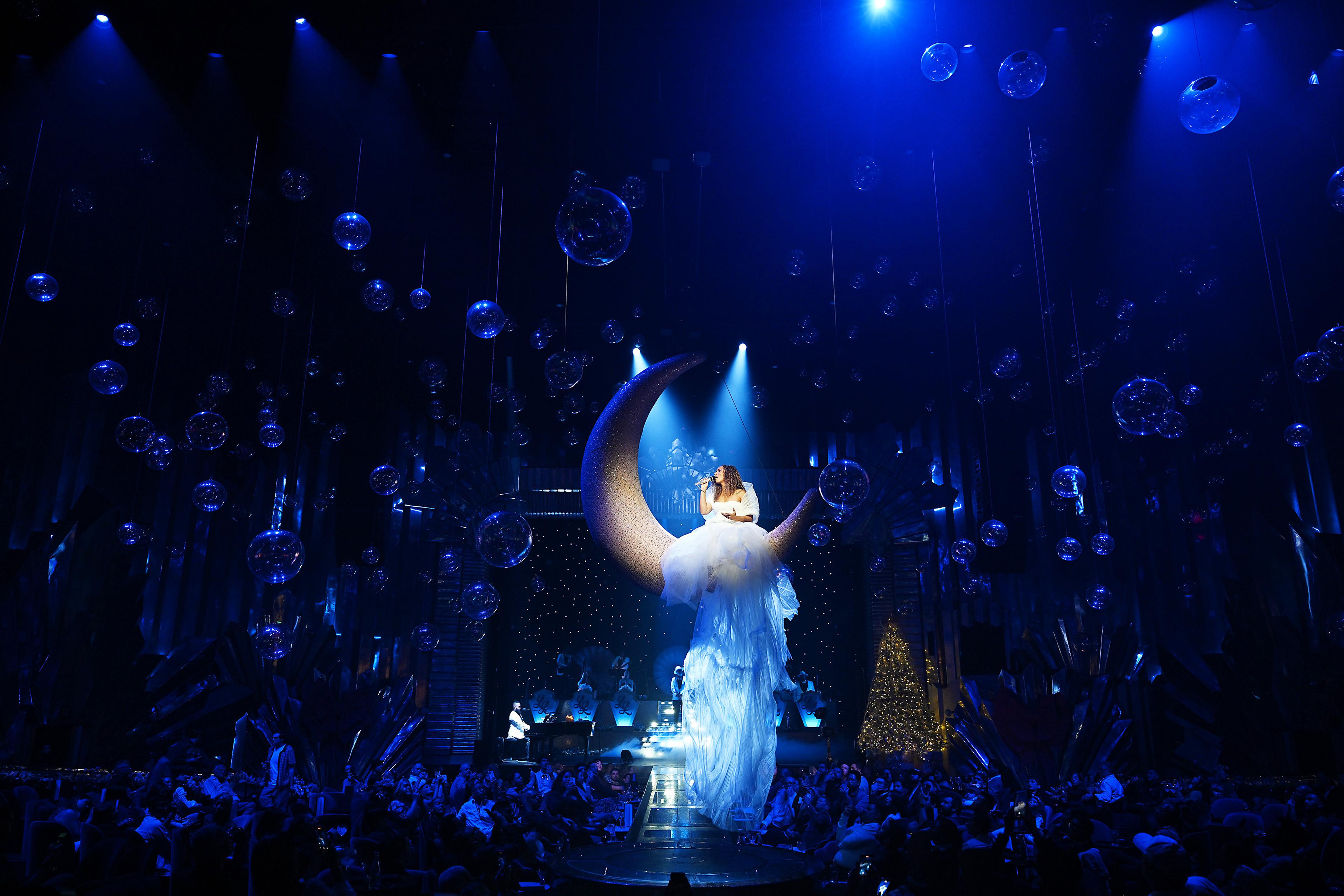
Once the story is set, Phil looks for what he calls the show's single defining idea, whether that's a decade, an aesthetic, or a specific mood. Decide early that a show is going to lean into an 80s sensibility, for example, and that one choice starts answering a dozen smaller questions at once: what colors to use, how stylized the set should get, what kind of references to start pulling.
Pull references from everywhere
This is where the bulk of the early work actually happens, and it's less glamorous than it sounds. Phil's phone is packed with saved Instagram posts. His browser has thousands of open tabs. When a detail catches his eye, whether it's from a show, a piece of architecture, or something totally unrelated to entertainment, he saves it, trusting that he'll remember it later when the right project comes along.
His advice to anyone starting out in set design is exactly this: pull references and inspiration from everything, not just other shows. You never know where the detail that unlocks a set is going to come from.
Build it out in stages, from mood board to mock-up
Raw references get organized into mood boards, usually as part of a pitch deck or concept deck. From there, the team refines and narrows, moving from general inspiration to choices specific to that show, until the material stops looking like a Pinterest board and starts looking like an actual set.
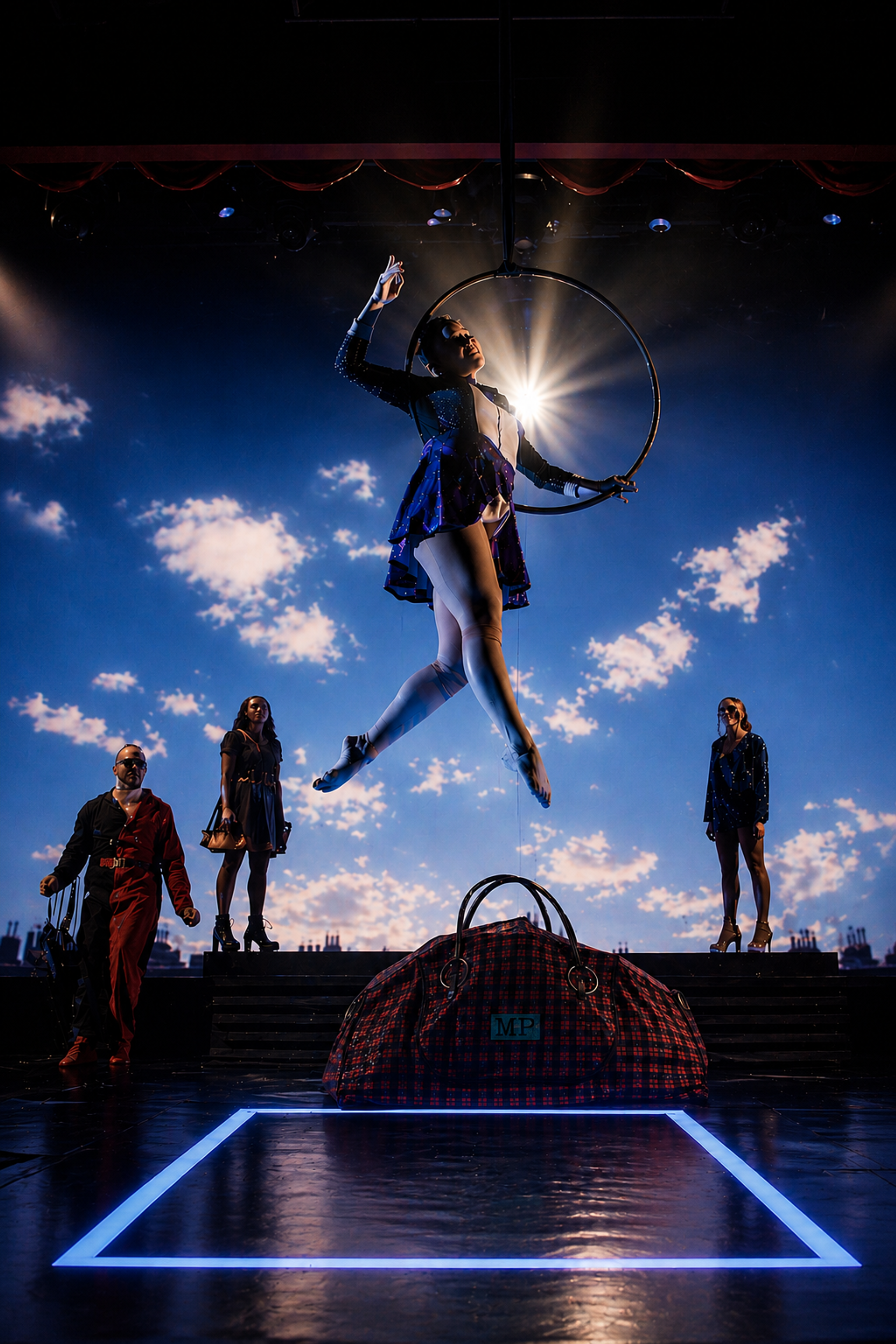
Phil then builds mock-ups, typically in Photoshop, sometimes sketched out in Illustrator. These mock-ups aren't final blueprints. They're not built to scale and they're not something a scenic shop could work from directly. Their job is to communicate a vision, not to serve as construction documents.
Hand it off to be made buildable
This is the step that's easy to overlook from the outside. Phil's mock-ups get handed to outside scenic teams, who translate the creative vision into technical drawings a shop can actually build from. It's a genuine handoff, not just a formality, and it's where aesthetic ambition meets physical reality.
That reality check is where the back and forth starts. Phil is focused on how something looks. His co-founders and the scenic teams are focused on whether it functions, whether it fits the storage, whether it can survive eight shows a week. When the two don't align, the answer isn't picking one side. It's asking how both requirements can be met at once, even if that takes several rounds of revisions.

Design around the venue, not despite it
Every room or theater is different, and that shapes our process significantly. A traditional proscenium stage tends to read flat unless the design extends out into the audience. Spaces with seating on all sides, like Mayfair or Murder in the Manor, rule out a single best sightline entirely, so every angle needs to hold up equally well.
Storage is just as real a constraint as the stage itself. On a cruise ship or in a smaller venue, a set often needs to break down into pieces or do more than one job. One example: a piano built to double as a performance surface, complete with lighting, smoke, and a working keyboard, all so the team didn't need to store several separate pieces for the same scene.
Let video and set design happen together, not in sequence
Video design follows a similar process: references first, then mood boards built out scene by scene, refined in collaboration with our video designers. Our team designs set and video in parallel rather than one after the other, with the goal of making them feel like a single environment instead of a screen playing behind performers.
Expect the process to be iterative, not linear
Nothing here happens in one clean pass. Ideas shift as they move from reference to mock-up to technical drawing to built object, sometimes ending up nowhere near where they started. The goal was never to protect the original idea. It's to end up with something that looks right, works on stage, and can survive a full run of the show.
Want to work with us? Let’s create something extraordinary together.
!