Inside Our Land-to-Sea Rehearsal Process
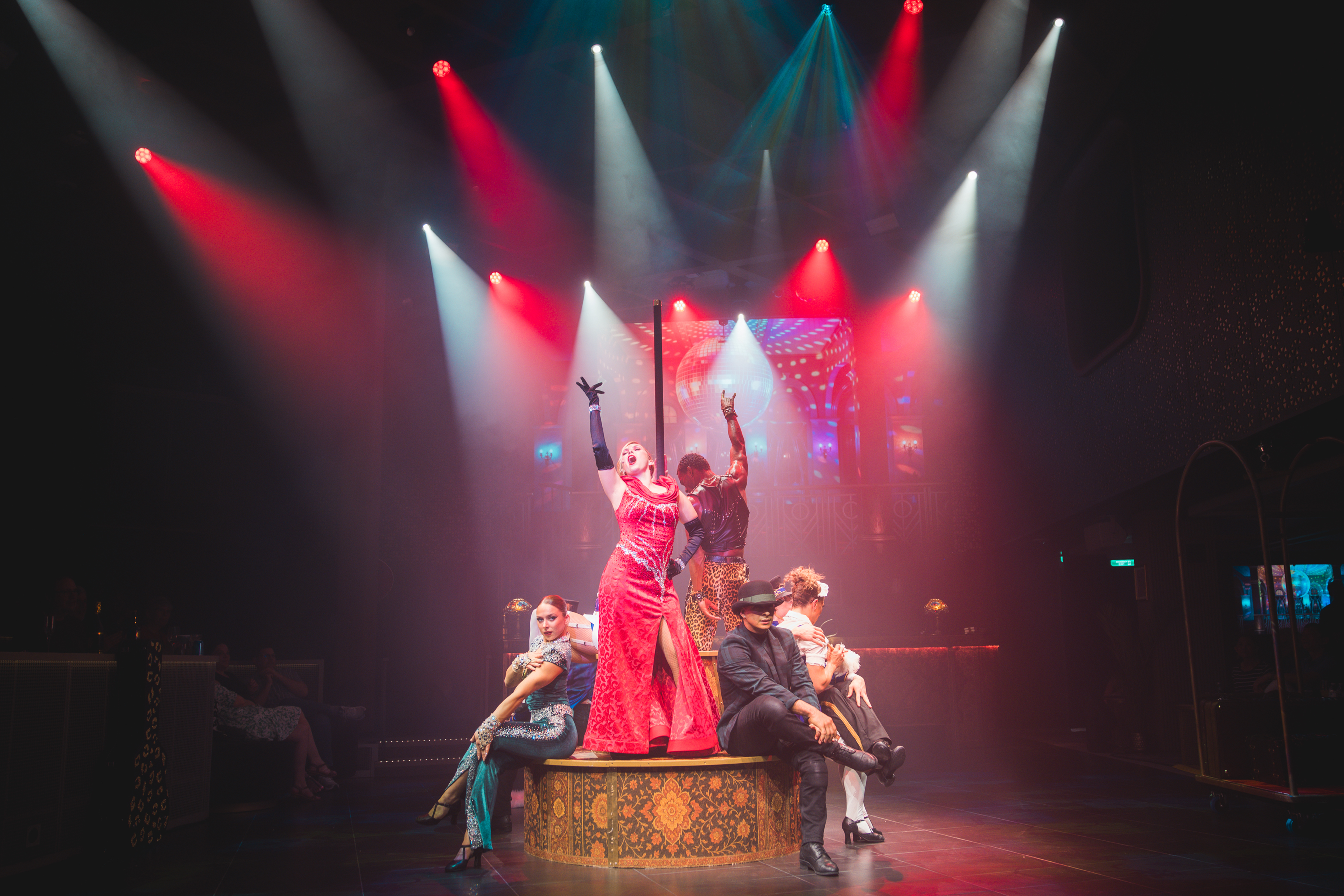
When audiences step into a theater onboard a cruise ship, they see a seamless production: lights, sound, costumes, choreography, and performers working in perfect harmony. What they don’t see is the intense, carefully orchestrated process that takes a show from early workshops on land to opening night at sea. At No Ceilings, we’ve refined a rehearsal system that allows us to deliver world-class entertainment, even when the clock is ticking and time is limited in the venue. Here’s how we make it work.
Building Before Boarding
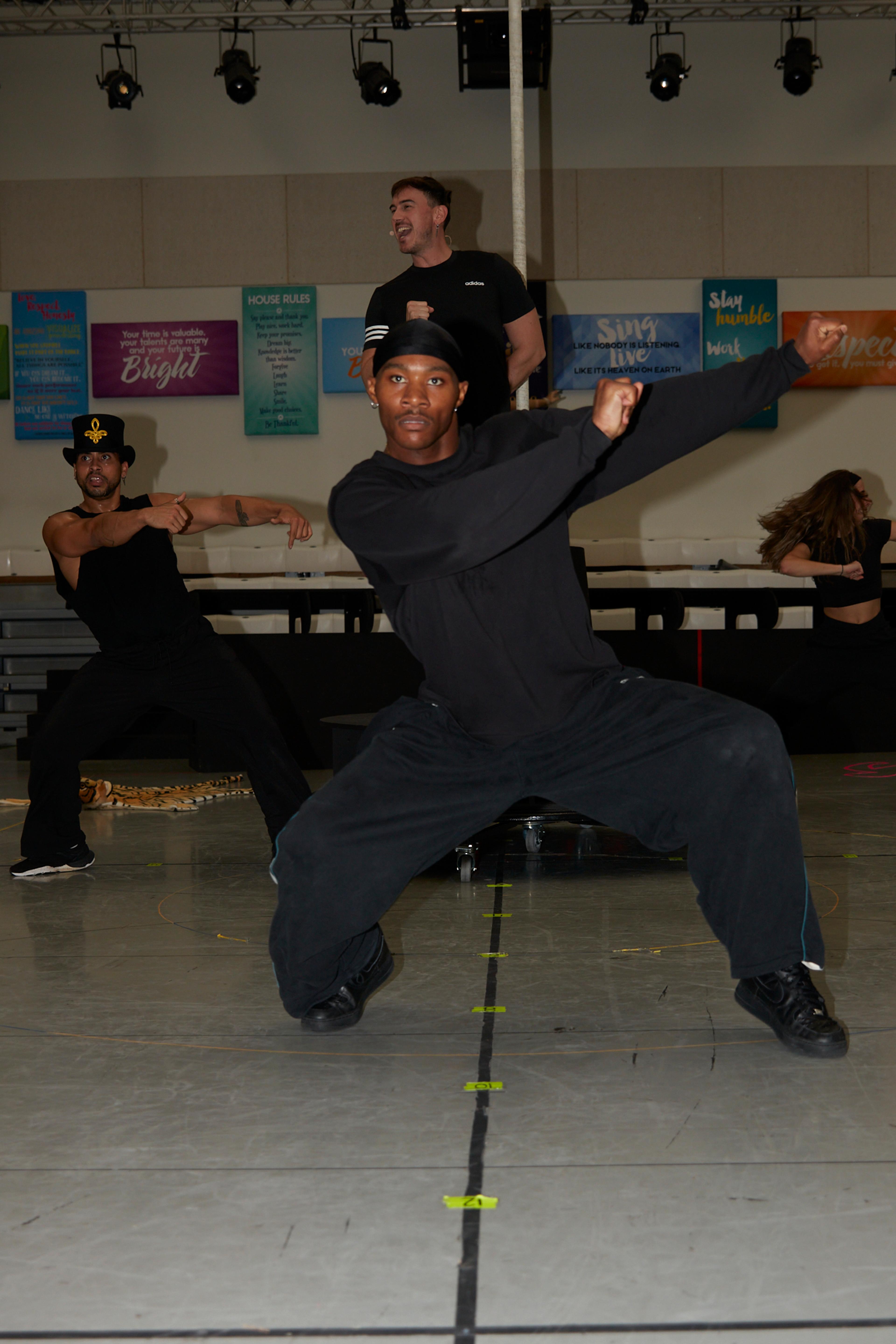
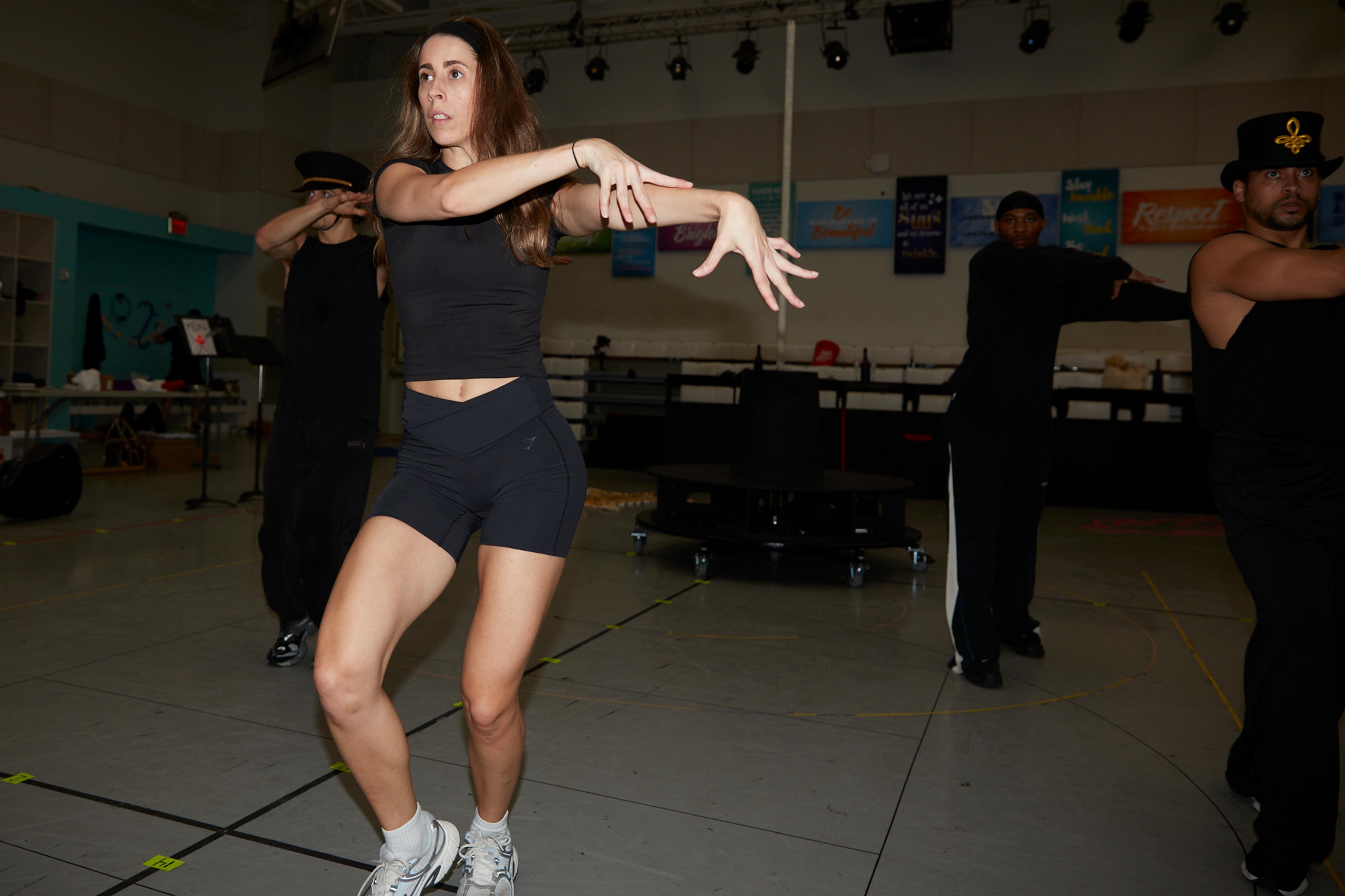
Our process starts long before guests step foot on the ship. Each production moves through a three-step process on land: ideation and pre-production, workshops, and full rehearsals. In the ideation phase, we shape the creative foundation which includes selecting music, writing the narrative, and mapping core moments.
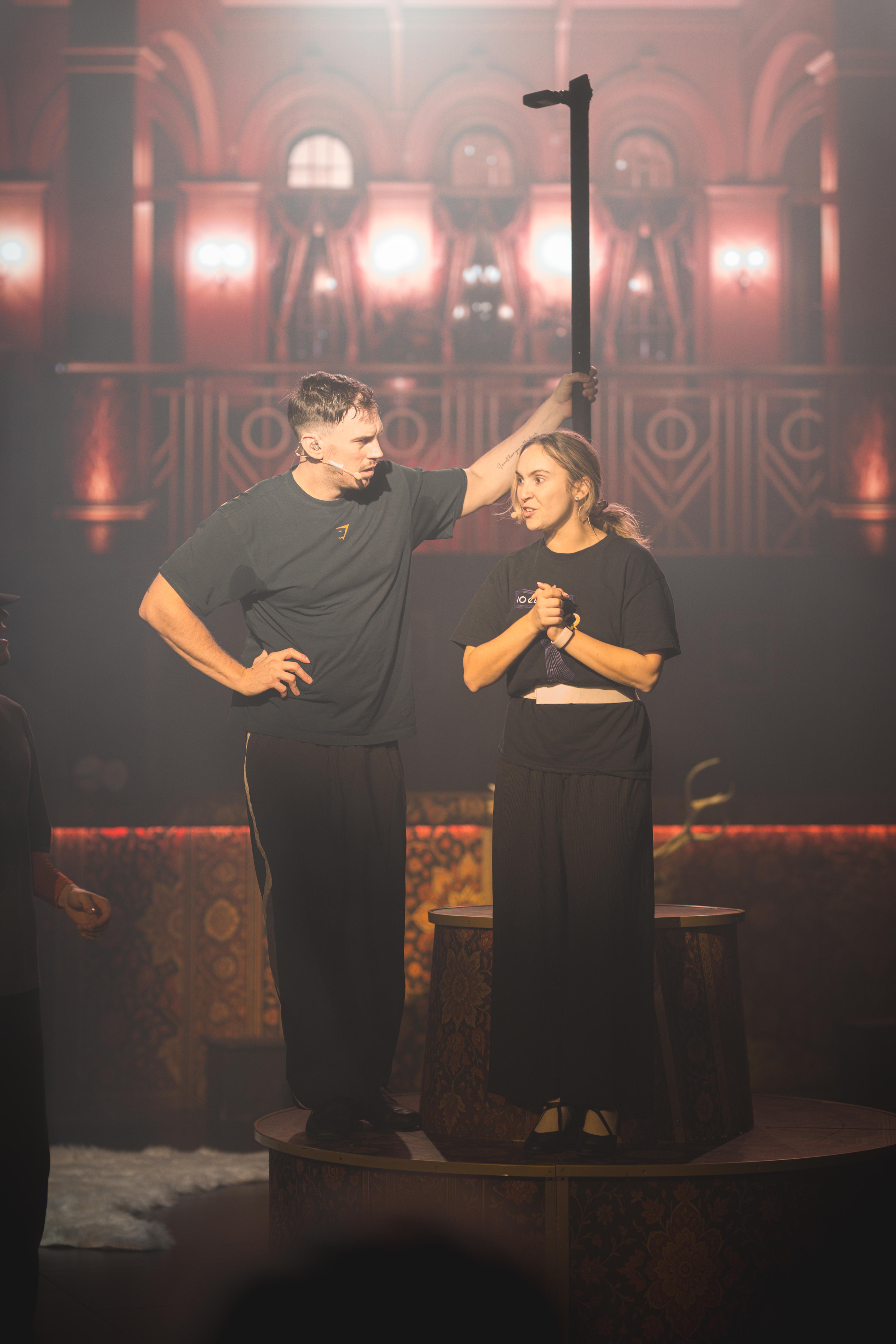
Workshops come next, using a small skeleton crew we know well to pressure-test ideas. This is where pacing changes, songs shift, and scenes tighten. Once the show is close to final, the full cast arrives for rehearsals. We rehearse with replicas of scenic pieces so blocking and choreography translate seamlessly onboard. Costumes also go through multiple client approval rounds and are locked before we sail, with only minor tweaks happening on the ship.
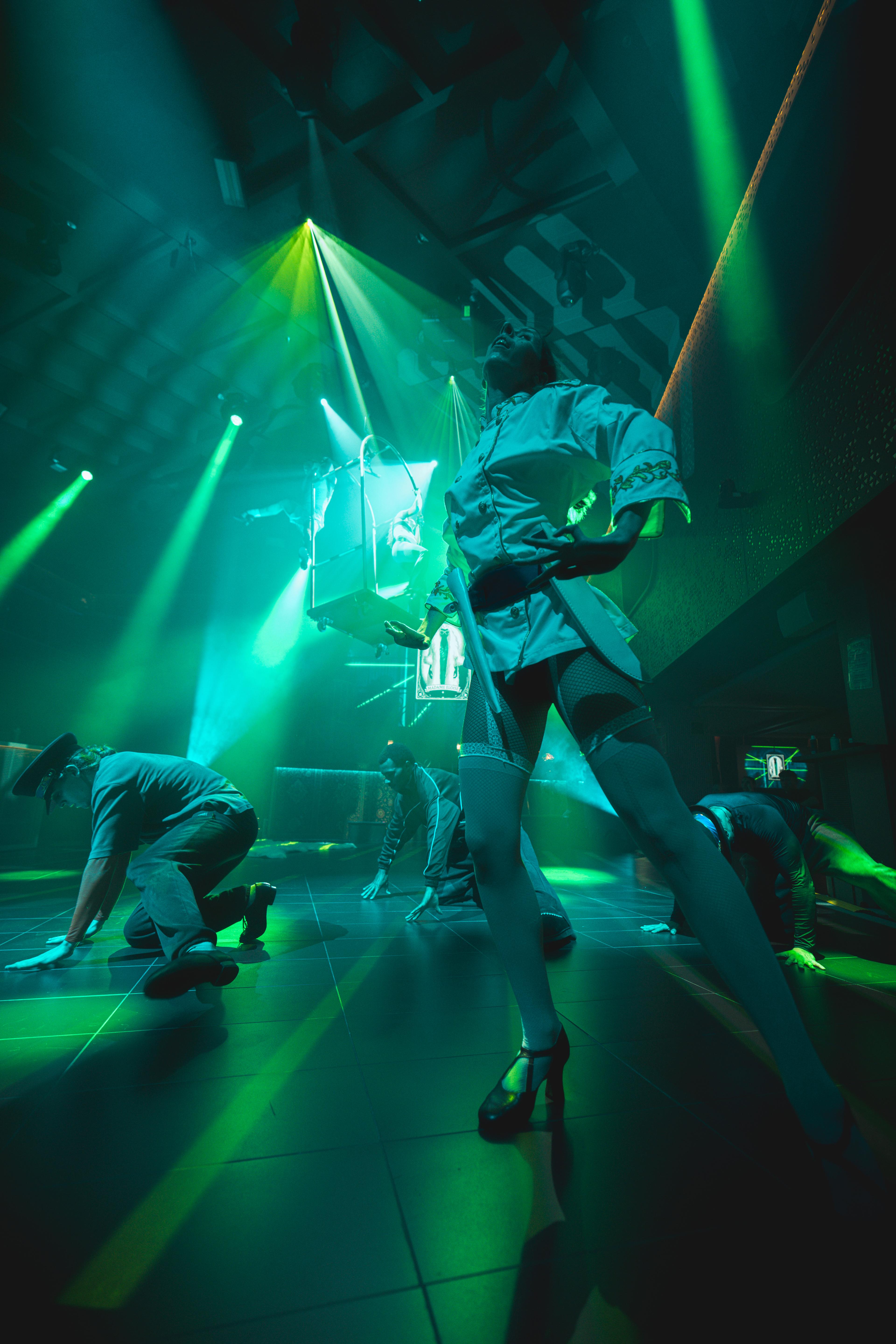
When we finally board, we’re installing — not inventing. We stage the show in the real venue, make any last adjustments, and our team hand-programs lighting, sound, and automation. Because the creative is fully built on land, ship time is spent refining, syncing, and polishing — instead of scrambling to make decisions in real time.
Adapting to Clients, Venues, and Schedules
No two clients are alike. Some prefer to be more involved in the creative process, reviewing content and giving feedback at every stage. Others want us to take the reins and present a finished product. Our flexibility is a strength. Clients consistently recognize our team as being extremely prepared, whether that means adapting to a new ship still under construction or fitting into a ship’s busy rotation schedule of entertainment.
Common Curveballs at Sea
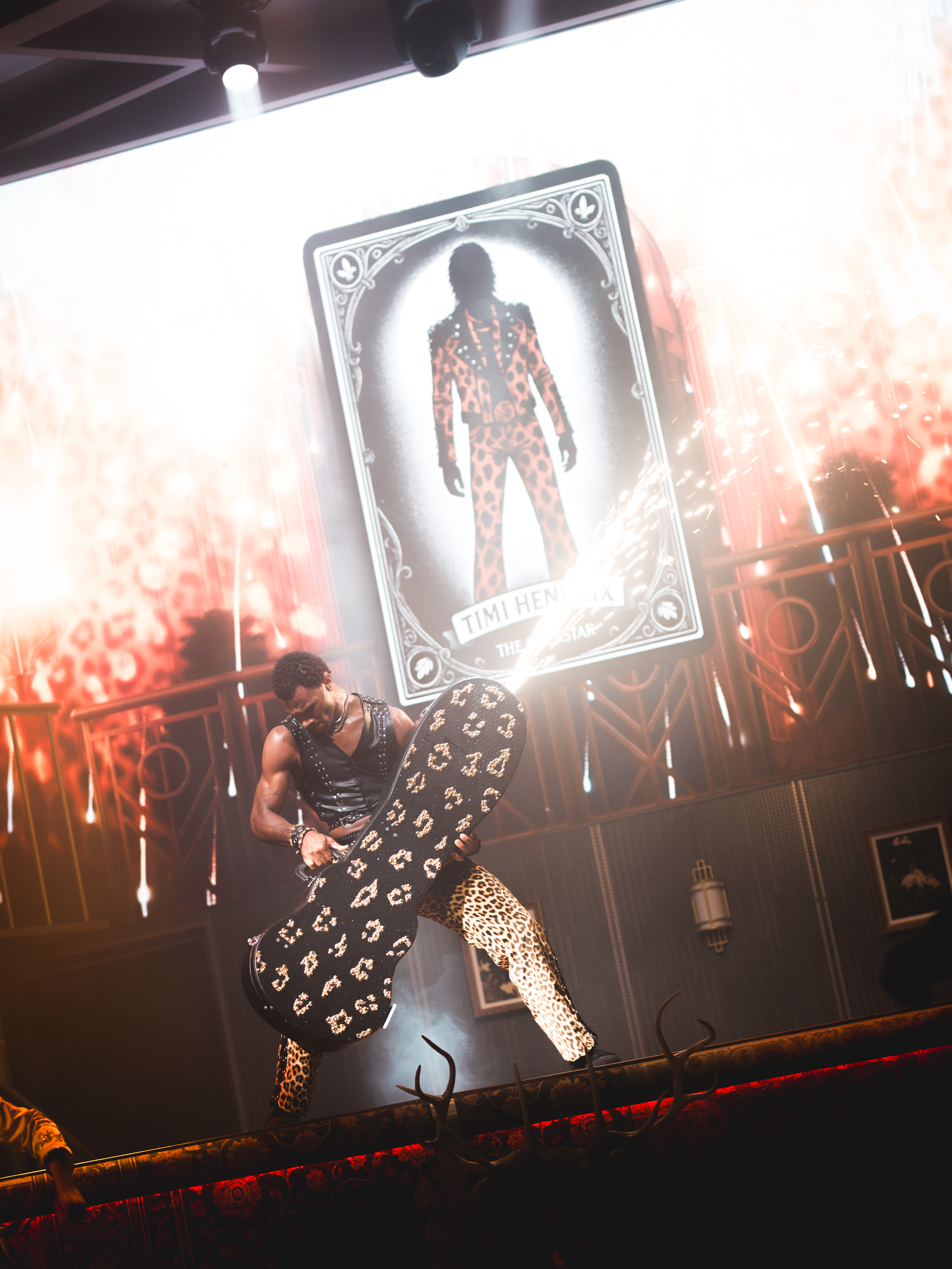
Even with the most thorough planning, unpredictability is part of cruise entertainment. Hardware can fail due to mechanical or automation issues, and at sea, replacement components are not readily available. Technical systems may also fail without warning, and resolving those issues is far more complex when you’re operating in the middle of the ocean. Cast members might miss embarkation, get sick mid-itinerary, or be unable to perform. Scenic or costume elements can also be delayed in transit and never make it onboard.
Because of that reality, we build backup plans into every production. We do not open a show intending to use a contingency track, but alternative choreography, blocking, and staging paths are always ready. If something breaks or someone is out, the show can still run safely and seamlessly.
Systems That Keep Us On Track
Our efficiency comes from systems. Each production flows through a clear pipeline, starting with pre-production ideation, moving into on-land workshops and rehearsals, and ending with install on the ship. Everything we create is tracked, organized, and shared internally which ensures we can always give the client visibility and our teams stay aligned at the highest level.
The result speaks for itself. By the time a show opens, it is fully realized and ready to run, supported by a structure that keeps the creative strong, the process controlled, and the experience world class.
Ready to see how No Ceilings brings world-class entertainment to life at sea? Connect with us to explore what’s possible.
Want to work with us? Let’s create something extraordinary together.
!